- WTM Meets U.S.A. Educational Benchmarks
- Assessments
- Methodology with Core Lessons
Implementation of Lessons
Distinctive Competence
The Intelligence of Motion
Movement has an intelligence foundational for cognitive development. Wellness Through Movement (WTM) uses this “intelligence” to change behavior.
The WTM approach delves deep into cognitive functioning by keenly observing movement patterns. It transforms learning into a rich, experiential journey where the sensations derived from motion—direct attention toward a profound understanding of our perceptions. Here, action evolves beyond mere physical exercise; it becomes a dynamic network of neuro-feedback patterns communicating intricately with the whole person. Engagement in doing, thinking, speaking, and listening all embodies unique patterns of neuro-feedback. In this framework, the Sensory Body acts as a powerful wide-angle lens that refines our brain’s awareness of a physician within. This “physician” has the capabilities to nurture our sense of self by learning through these intricate mind-body sensations. When movement fuses with cognition, it paves the way for cognitive development that is rooted in our unique movement tendencies.

Learn from the Body
Reasoning stems from thinking, while knowing originates from experience. We teach from the body to the brain because the “brain” is not just in the head.
Program Objectives
- Clarify Embodied Awareness to Support Cognitive Functioning
- Determine Spatial Awareness Inside and Outside of the Body
- Learn from Embodied Cognition
For children, these objectives are simpler than would you think.
Surprisingly, you may find that when children lie on the floor, and are asked, “What is touching the floor?” They say, “Nothing.” Awareness inside the body is the first objective to the WTM methods. Teach them embodied cognition, the Sensory Body (SB) and you just introduced their best friend to how they learn.
Why teach children at a young age?
Though anyone can learn from the body/mind organization, the critical age to teach this is between five and eight years old. The process of movement in development is the major thoroughfare of the sensory-motor systems and behavior. This awareness helps all children, not just children with behavioral challenges. This “movement” is not about motor skills. It is the physicalness of the mind processing information through the body. Motion is bundles of sensations engaged in the wholeness of the senses, the mind, and the world. (See LINK Science and Feldenkrais Practitioner)
Meeting USA Educational Benchmarks
General Learners Outcomes Benchmark
- Expand self awareness for the safety of self and others
- Educate sensory awareness tied to cognition and IQ
- Practice turning attention inward and self-inflicted low self-esteem perspectives
- Enhance awareness of the mind’s internal dialogue and where attention focuses with listening skills and communication
- Learn to use the sensations of physical guidance for problem solving
- Calm tension to decrease violent tendencies
- Develop social character from awareness of self and self in relation to others
Part I & II Programs Meets Physical Education & Social Emotional Benchmarks
There are two parts to the WTM program, Part I and Part II. Part I lessons are easy, and anyone can teach them. Part II is more challenging to teach, and to improve cognitive behavior you may need a movement specialist such as a Feldenkrais® Practitioner.
Read descriptions below.
Physical Education & Social-Emotional Learning Benchmarks
- Intra and Inter Spatial Awareness (personal and emotional space)
- Social and emotional benefits to physical activities
- Increased pulmonary capacity and calm nervous system
- Basic locomotor skills alone, with a partner, and in small groups e.g. hopping, skipping, jumping, running.
- Basic non-locomotor skills e.g. twisting, pushing, pulling
- Basic movement concepts and control e.g. changes in direction, space, time,
- Physical activities e.g. locomotor or chasing and fleeing activities
Wellness & Health Benefits
- Build awareness of the body and how to use the body to calm the brain
- Acquire personal tools to decrease hyperactivity and anxiety
- Fuel curiosity and attention
- Stir innovation and creativity
- Acquire respect and appreciation for uniqueness and differences of self and others
- Expand self-awareness & improve posture
- Align attitude with physical sensation
- Decrease passion to fit in to “out there” pressures and urges for substance abuse
- Identify healthy behaviors and impact on personal health
- Acquire tools to express needs, conditions and wants in healthy ways
Assessments Used
- Does the child demonstrate more patience, calmness, and cooperation?
- Does the child resort to the body techniques to calm the mind?
- Does the child feel more balanced emotionally and physically?
- Is the child more innovative in problem solving?
- Have the child’s attention and participation improved?
- Have the child’s test scores and academic performance improved?
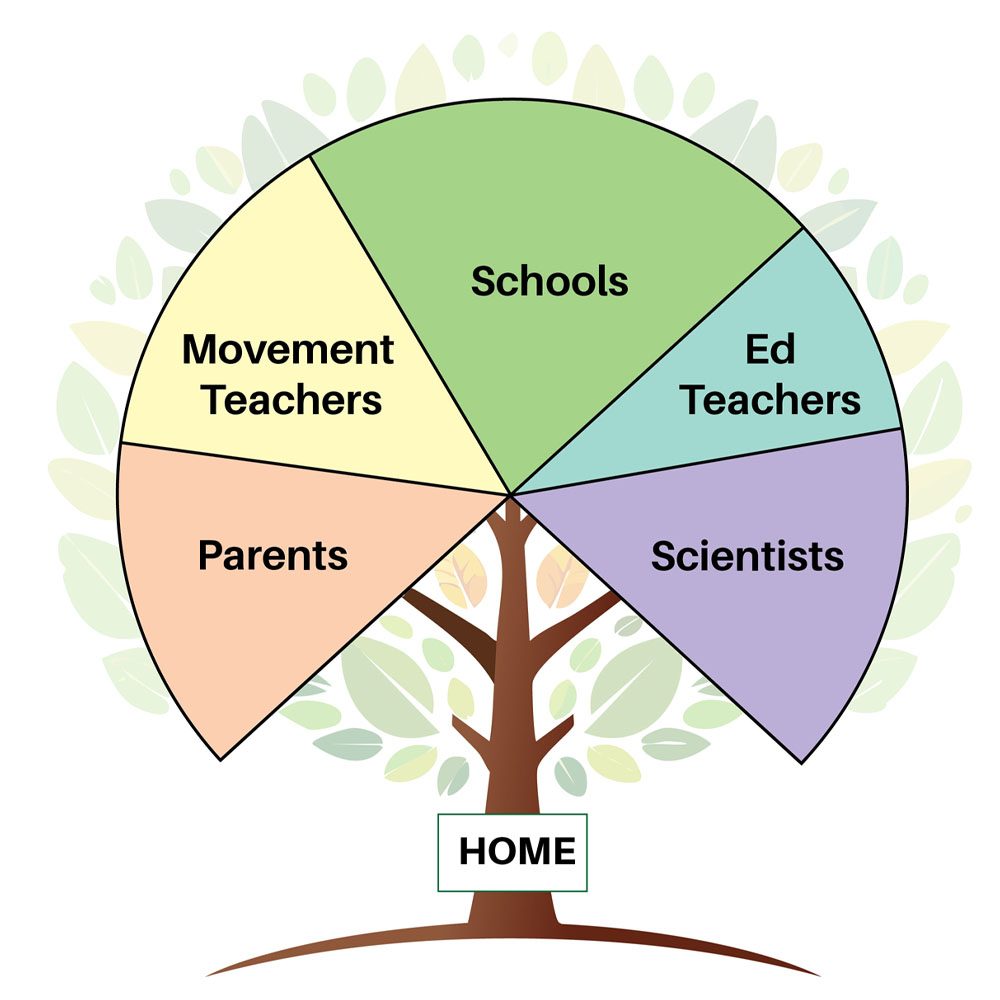
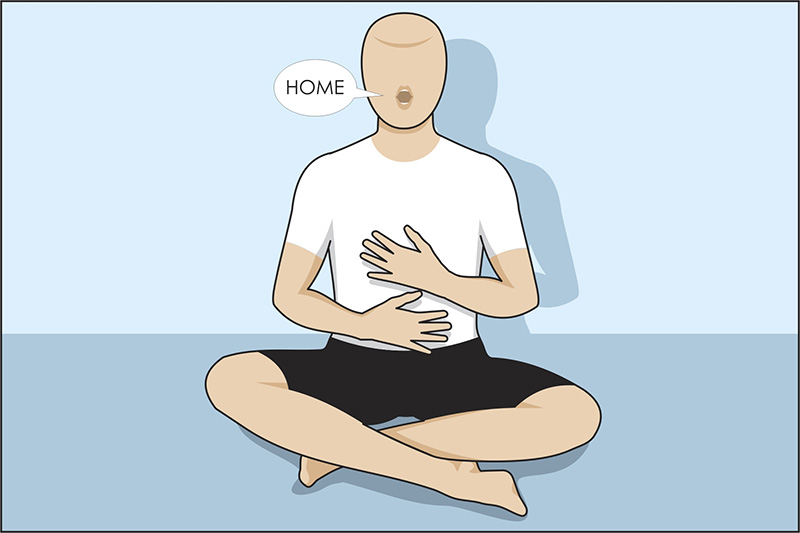 With “Home,”or dual attention, the virtue of respect naturally unfolds in a child. Attention is redirected to breath and the sensation of sound moving down inside the body. When attention is directed to turn inward, perception shifts and emotional reactions calm. When one’s attention is connected to their physical sensation, a feeling of centeredness settles into the mind. Children especially find peace within the storm of conflict and understand how to express their feelings.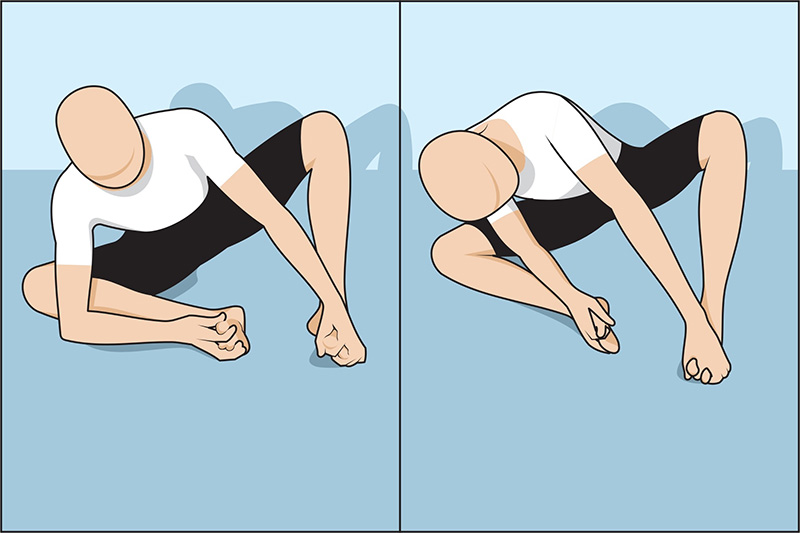
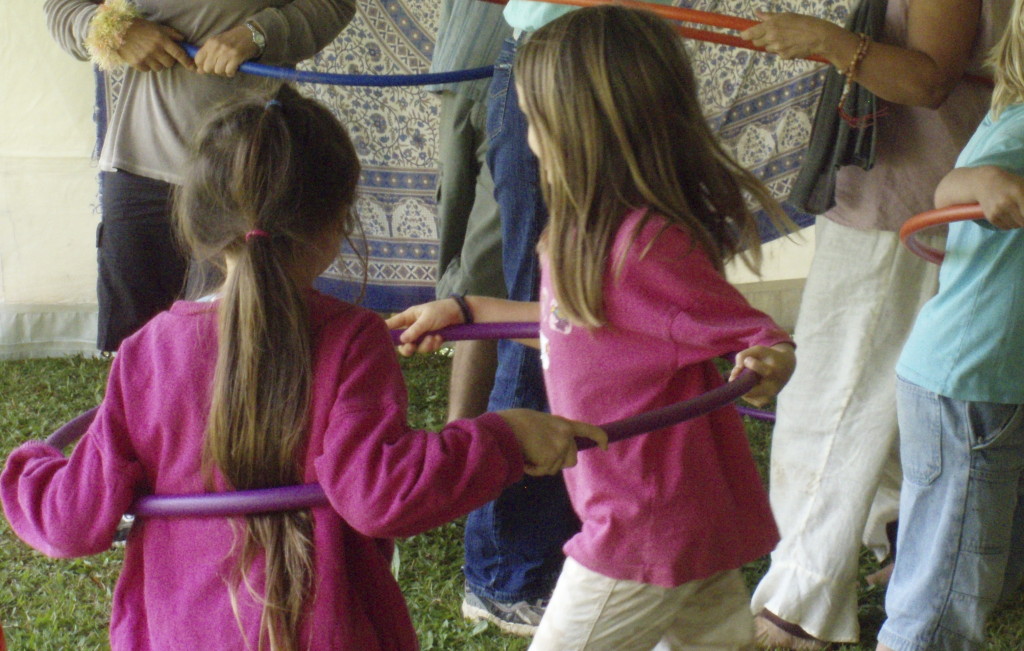
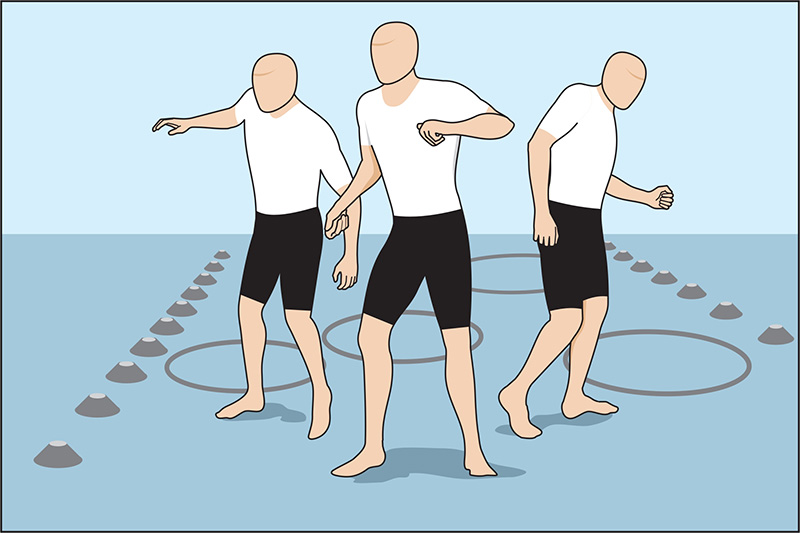 Personal Bubbles Freeze Dance lesson (Part 1 series) uses big beat music to create a “storm” of fun and excitement. When the children bump into each other, the music “freezes,” and attention switches from “out there” to inside. To find “Home” attention is directed to the physical vibration of the humming sound saying, “hooooommmmme.” The vibration of the sound in the body gives a tangible directive for attention. In Home, more attention is now inside the body than outside in the external environment. Children return to the game playing freeze dance, however, now they play freeze dance from “Home.” From Home no one seems to bump, and children are surprised. “What changed?” Awareness.